SABi
Experience Design
the Scope.
The aim of this project was to create an integrated solution for aging adults, to garner autonomy, safety and confidence in spaces in the home. I was a team member of a group of 5, who decided to focus on the bathroom, as this was known to be one of the most prominent spaces for accidents in the home.
-
Our design team followed the design process: Define, Collect, Brainstorm, Develop, Feedback and Improve to create a solution that effectively met the needs of aging adults in Australia to improve quality of life and keep users in their homes for longer.
-
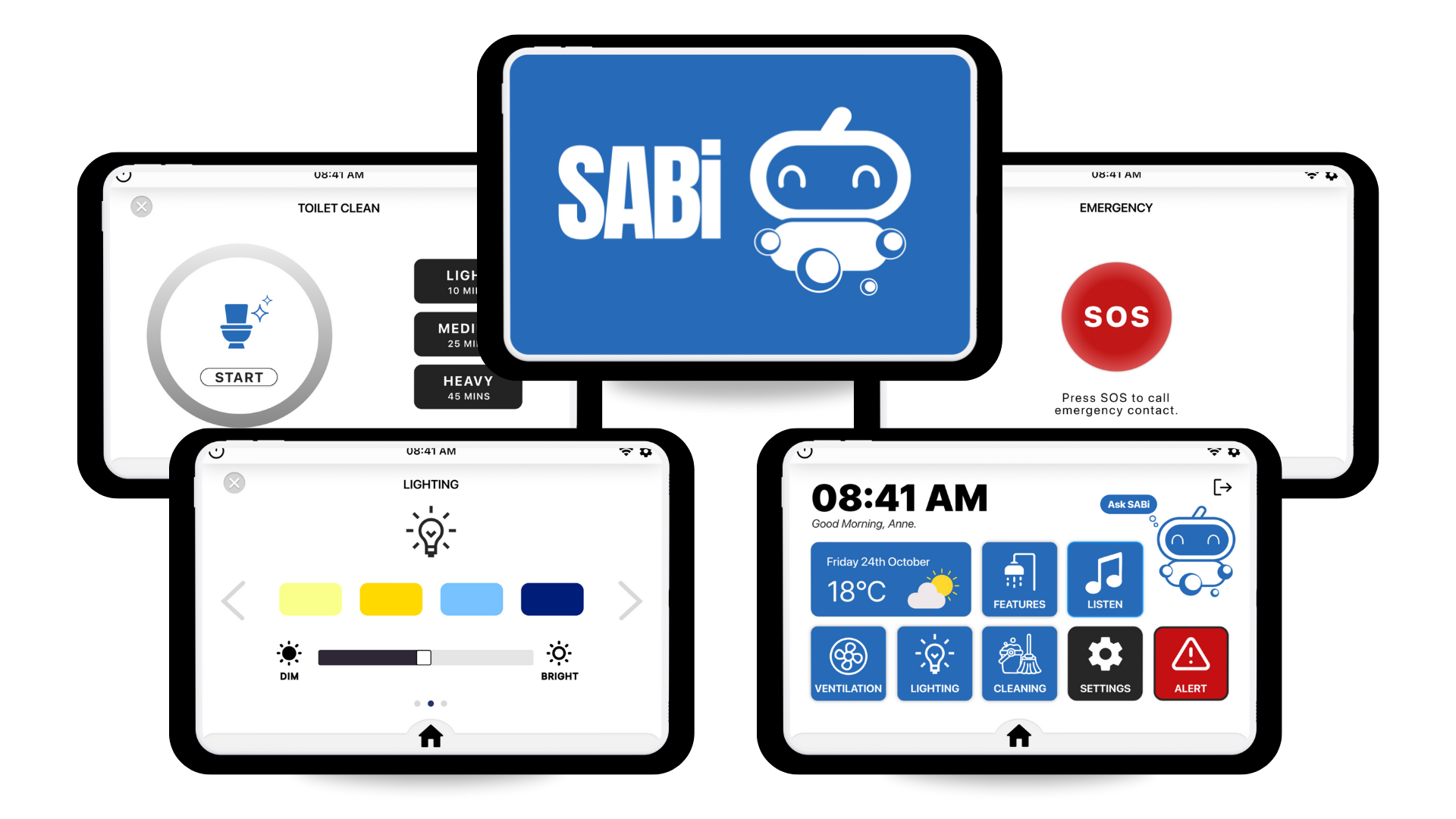
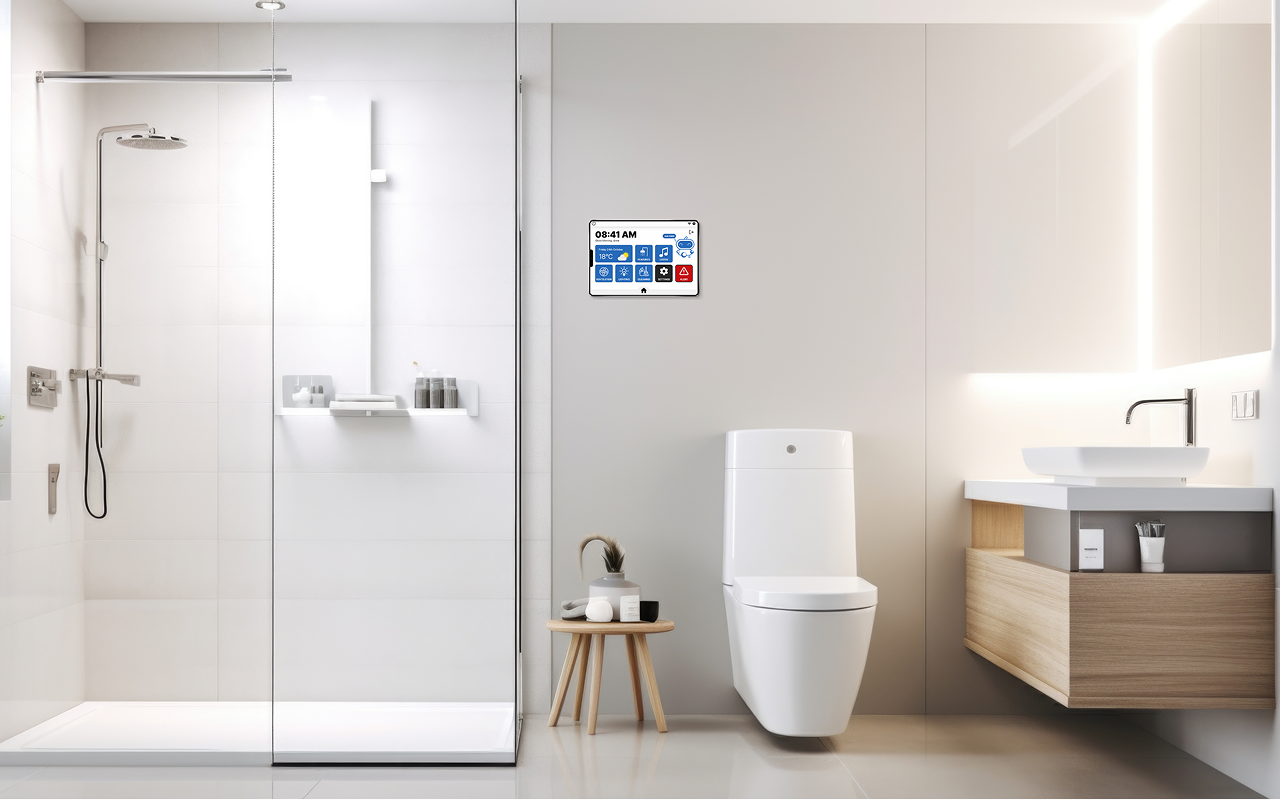
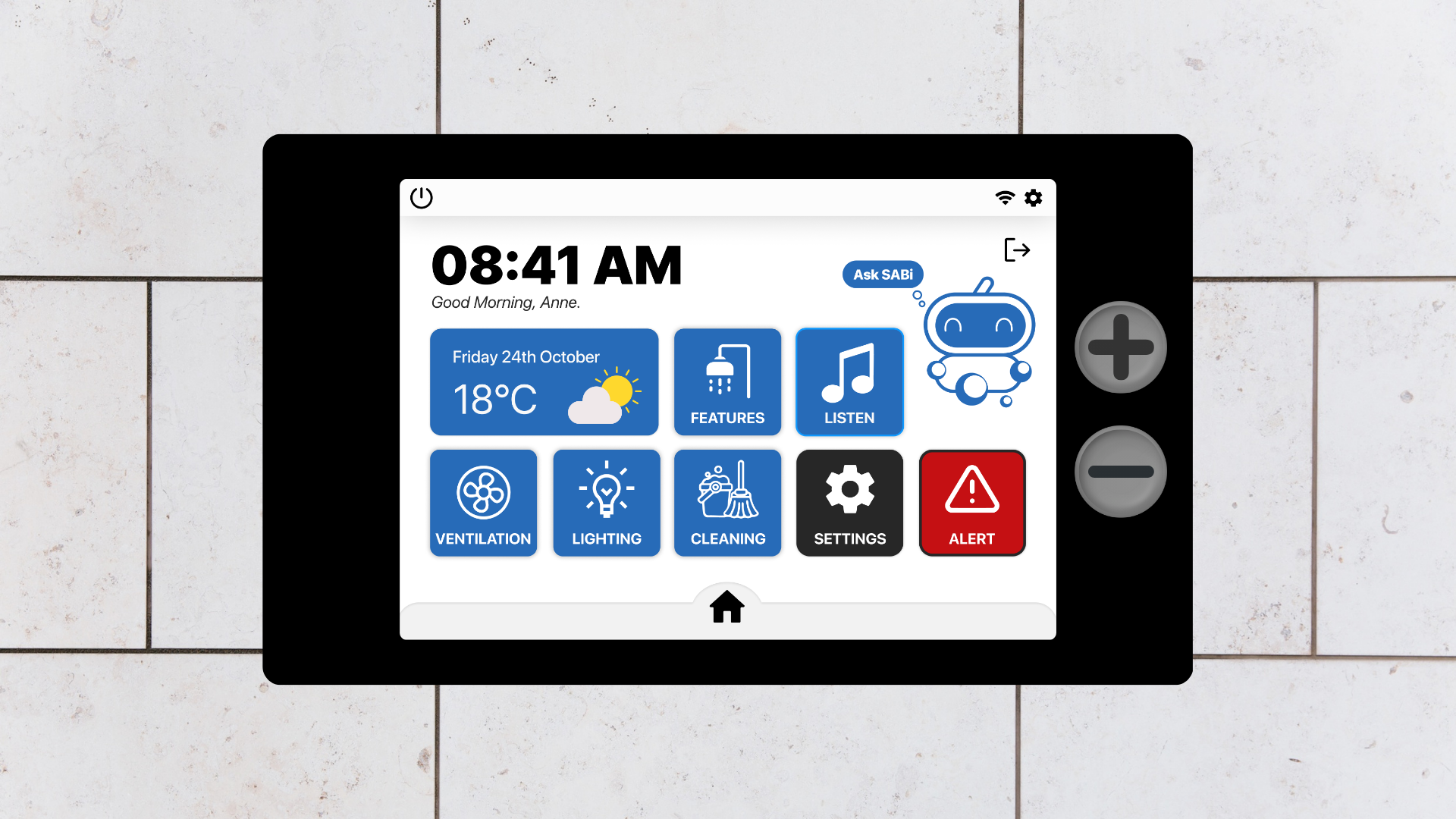
Our final solution was a Smart system that could be voice activated or controlled by a panel in the bathroom.This system is called SABi, a tool that can customise the bathroom experience depending on the user walking in. The system will adjust the shower temperature, lighting and toilet height for each person of the household which are predetermined settings set up. SABi can also play the radio, self clean appliances like the shower, toilet and sink, and can call for help if a fall is detected.
-
To ensure the team was able to fully understand the pain-points, needs and preferences of the target, the team conducted 4 methods of data gathering across 5 participants. These were Semi-structured interviews, probing diaries, observations and a questionnaire. These methods were explored to ensure all sides of the story was uncovered and the team were given the best chance to design an actually helpful solution.
-
From the feedback given, the team developed SABi and explored all the opportunities for SABi to customise the bathroom for each user and their specific needs whilst also being safe, easy to use and most importantly - maintained privacy. The goals of our design solution were framed in “how might we?” questions to offer the chance to answer the question as the solution. Our questions where:
How might we create a design that is easy to learn, navigate and use, whilst also be sustainable and low effort?
How might we prepare older adults for mobility limitations with early access to actually helpful technology?
-
I was in charge of developing the first paper prototype for the mounted remote for SABi. This was the first big indicator into functionality, heuristic design and interface layout effectiveness, which gave the team the guidance into exploring the high fidelity prototypes.
We also tested this prototype alongside our digital interface design prototype with residents from the Evergreen center in Melbourne. First hand feedback directly from the target user assisted the team into generating refinements for the final deliverables.
The deliverables were finalised as a digital interface design that would display on the mounted wall control panel, a user scenario video directed and filmed by me to communicate the types of interactions users can expect from SABi, and high fidelity drawings that explored the fit-out features of SABi like the sensor tiles, the self cleaning system and the adjustable toilet.